
MC1472025 Medium
Microsoft SharePoint: PowerShell support for brand fonts deletion
Summary AI-generated
SharePoint introduces the Remove-SPOFontFile PowerShell cmdlet, enabling admins to delete brand font files from Brand Center for improved font lifecycle and compliance management.
Suggested actions AI-generated
- Review Remove-SPOFontFile documentation
- Upgrade PowerShell module after rollout
- Audit fonts in Brand Center
- Coordinate with brand managers/site owners
- Update internal documentation and procedures
Written by Azure OpenAI (gpt-4.1) from the text of the post below. It can be incomplete or wrong; the original post is authoritative.
Similar posts
Search for more like this- MC1186372 (Updated) SharePoint branding governance via PowerShell
- MC1169573 (Updated) Microsoft PowerPoint: Find and add company approved images with Brand Images
- MC1186368 Microsoft SharePoint: Update to custom scripting governance in App Catalog site
- MC1194603 Manage version expiration for audio and video files in SharePoint Online
- MC1188595 (Updated) App-only certificate-based authentication now available in SharePoint Online Management Shell
- MC1173930 Microsoft SharePoint and OneDrive: General availability of tenant rename with no scale limitations
Original post from Microsoft
[What and why:]
Microsoft SharePoint is introducing PowerShell support for deleting brand font files from the Brand Fonts library used by the SharePoint Brand Center. With the new Remove-SPOFontFile cmdlet, SharePoint administrators can remove brand font files that are no longer approved, licensed, or needed across their organization in SharePoint.
This cmdlet is the supported deletion path for brand fonts for SharePoint. It is designed to help admins manage font lifecycle and avoid cross-geo inconsistencies by removing font copies across the primary geo and satellite geos.
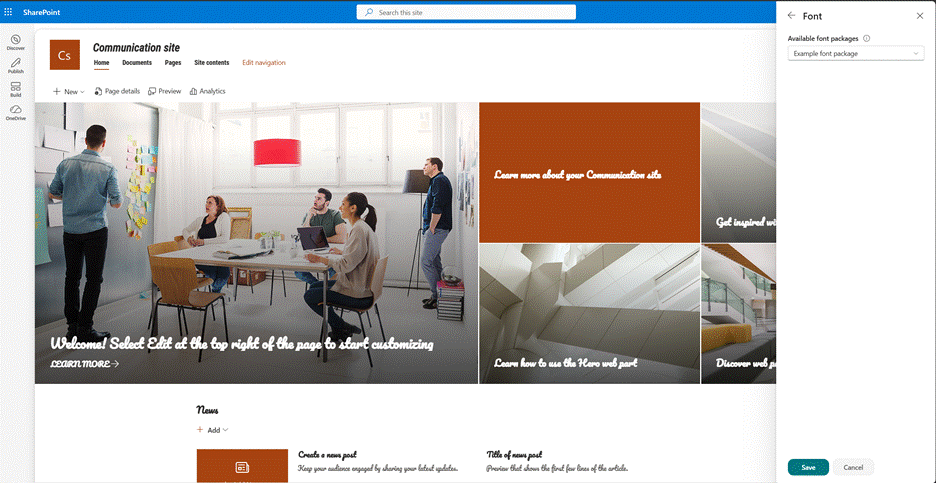
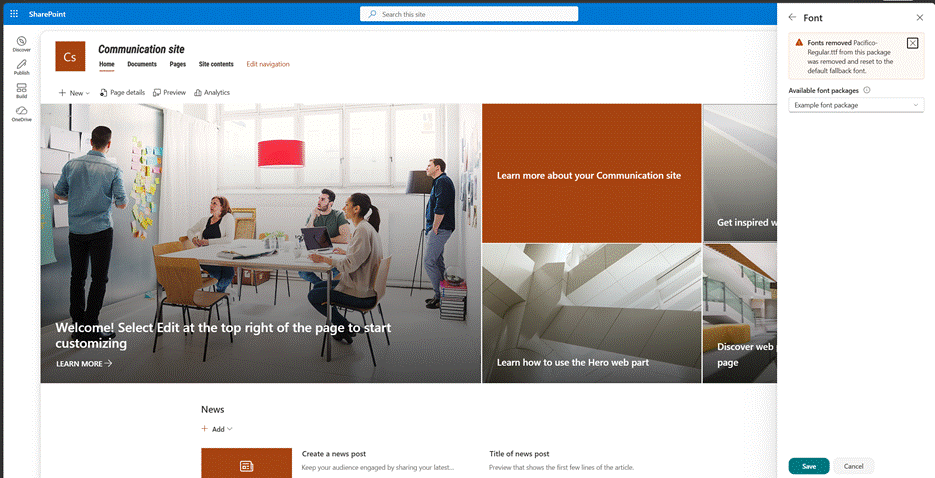
When a deleted font is referenced by existing SharePoint sites or pages, the content will continue to be rendered using a Microsoft-defined fallback font. Font packages that reference deleted fonts are not automatically deleted. They remain available for use, but a warning message is displayed when required fonts are unavailable.
[Rollout schedule:]
General Availability (Worldwide): We will begin rolling out on late September 2026 and expect to complete by mid-October 2026.
[Impact on your organization:]
Note: Brand font management in Brand Center currently depends on the SharePoint Public CDN and is available only to customers who have Public CDN enabled.
- SharePoint administrators can manage brand font deletion via PowerShell, helping organizations govern SharePoint brand fonts lifecycle, licensing, and compliance. The cmdlet removes font copies across the primary geo and satellite geos, helping avoid cross-geo inconsistencies.
- End-user content remains readable. If a deleted font is referenced by an existing site or page, SharePoint will use the Microsoft-defined fallback fonts.
- Font packages that reference deleted fonts remain available, with status shown to indicate unavailable font references.
Example results of running the cmdlet

Before deleting the font
After deleting the font
[Action required / Recommendations:]
- Review the official documentation for PowerShell branding governance:
- After rollout is complete, upgrade your PowerShell module to the required version before using these new features.
- Review the current fonts in the Brand Center and identify fonts that are no longer approved, licensed, or needed.
- Coordinate with brand managers and SharePoint site owners before deleting fonts that may affect site branding.
- Update internal documentation and admin procedures for managing brand fonts with PowerShell.
Additional details from Microsoft
- Summary
- Microsoft SharePoint will introduce the Remove-SPOFontFile PowerShell cmdlet by mid-October 2026, allowing admins to delete brand fonts across geographies. Deleted fonts fallback to Microsoft-defined fonts on sites, while font packages remain with warnings. This requires Public CDN enabled and PowerShell module updates.